
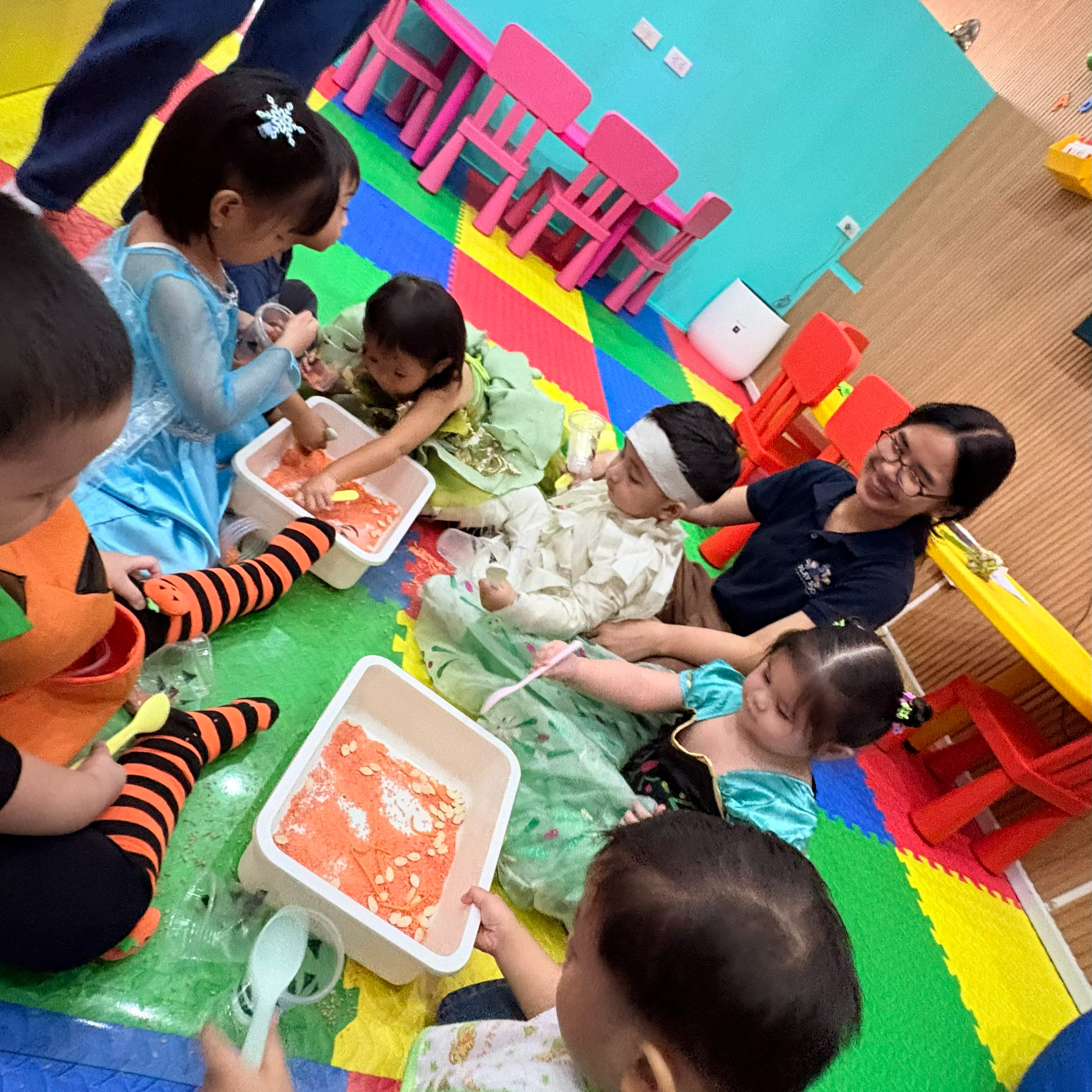
Frequent absences from playschool can significantly impact a child’s development—whether they’re neurotypical or neurodivergent, especially those with Autism Spectrum Disorder (ASD). Here’s a breakdown of why progress might stall in such cases:
🧠 For Neurotypical Children
Even in typically developing kids, regular attendance is key for:
- Routine and Structure: Playschool builds foundational habits—like following instructions, transitioning between activities, and socializing. Absences disrupt these rhythms.
- Social Bonds: Friendships and peer interactions flourish through consistency. Missing days can lead to feelings of exclusion or difficulty reintegrating.
- Learning Continuity: Early learning is cumulative. Skipping sessions means missing key concepts or developmental play that builds on previous experiences.
- Emotional Security: Familiarity with teachers and the environment fosters confidence. Frequent breaks can trigger anxiety or clinginess upon return.
🌈 For Neurodivergent Children (Especially with ASD)
The effects of absence can be even more pronounced:
- Disrupted Predictability: Children with ASD often thrive on routine. Irregular attendance can heighten anxiety and resistance to re-entry.
- Regression in Skills: Skills like joint attention, imitation, and turn-taking require repeated practice. Gaps in attendance can lead to regression or stagnation.
- Sensory Reacclimation: Playschool environments can be overwhelming. Frequent absences mean the child must repeatedly re-adapt to sensory stimuli, which can be exhausting.
- Loss of Therapeutic Momentum: If the playschool integrates speech, occupational, or behavioral support, absences can interrupt progress and delay goals.
- Strained Relationships: Teachers may struggle to tailor support if they don’t see the child regularly, and peers may not understand the child’s unique communication or play style.
Research Insight
Studies show that absenteeism—especially in children with communication and interaction challenges—can affect not just academic growth but emotional and social development. For autistic learners, absence can compound feelings of isolation and make reintegration harder unless schools adopt neuro-affirming, inclusive strategies.
💡 What Can Be Done?
- Build Predictable Routines at Home: Mimic school structure during absences to maintain continuity.
- Use Visual Schedules: Help the child anticipate school days and transitions.
- Collaborate with Educators: Share updates and ask for strategies to ease re-entry.
- Create a Return Plan: Especially for neurodivergent kids, gradual reintegration with sensory accommodations can make a big difference.